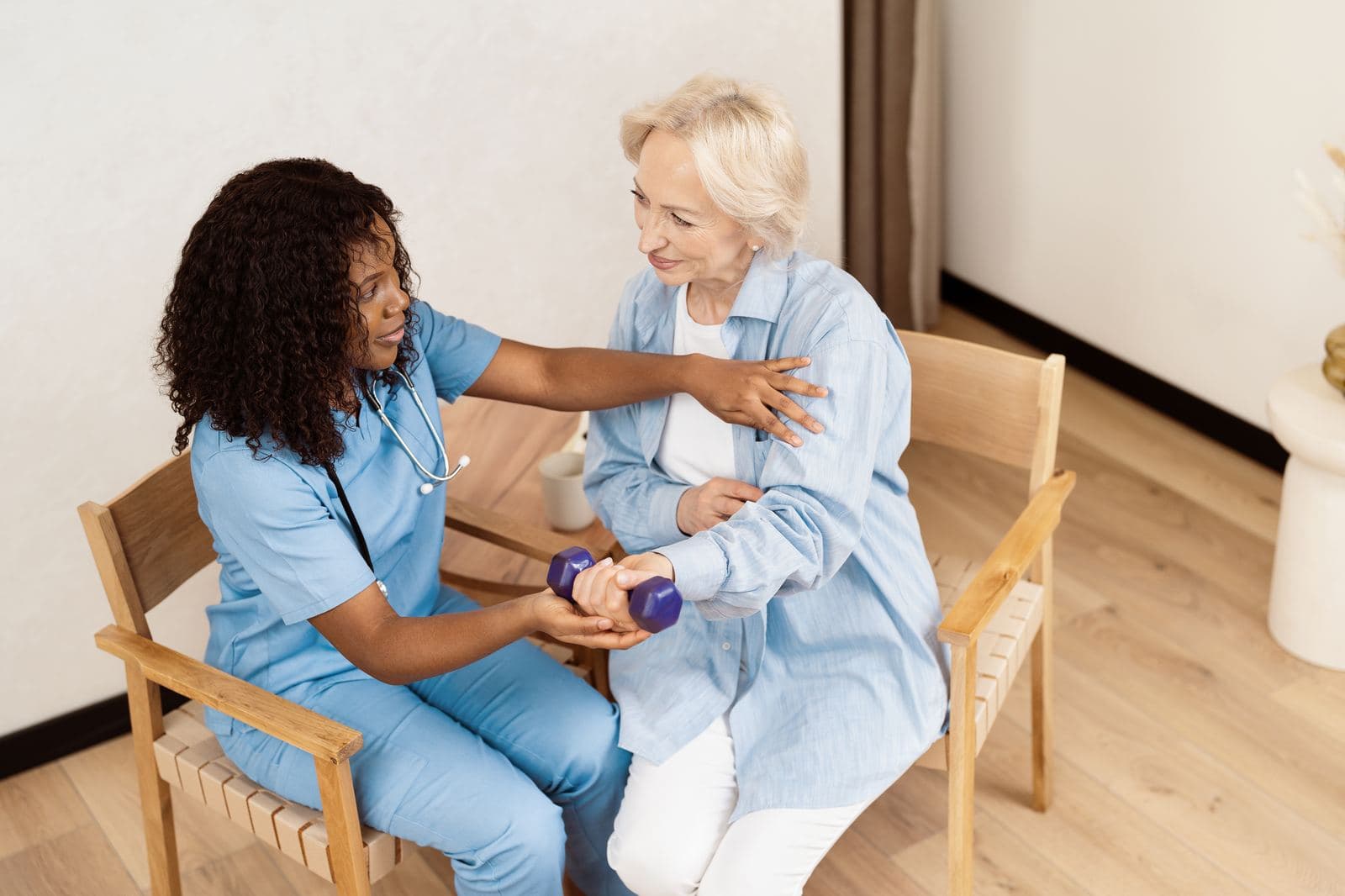
Certified nursing assistant providing compassionate hospice and palliative care to a patient as part of CHPNA certification exam preparation
CHPNA Certification Prep

CHPNA® Practice Test Question Bank

Preparing for the Certified Hospice and Palliative Nursing Assistant (CHPNA) Certification Exam can be challenging, but with the right resources, success is within reach. Our expert-designed CHPNA Practice Test Question Bank offers the tools you need to feel confident and ready for exam day.

Prices

CHPNA Question Bank

What's included

500+ blueprint aligned practice questions (QBank)
300+ retention focused flashcards
4 timed simulation exams
Personalized study planner to manage your schedule
Ask AI for hints, explanations, and detailed solutions for every question
Detailed analytics highlighting strengths and weaknesses
Risk-free trial - Cancel within 7 days for a full refund for any reason
Recommended
180-Day CHPNA Q-Bank Access$257.00
Total$257.00

No risk. Cancel within 7 days for a full refund.

Question Bank

Get Details for the CHPNA Practice Test Question Bank

Read more about the Question Bank

1

Expert-Guided Learning

Study with questions developed and reviewed by experienced hospice and palliative care professionals, including CHPNA-informed clinicians, to ensure accurate, practical, and exam-relevant content.

2

Questions that Reflect the Real Exam

Practice with questions designed to mirror the format, difficulty, and focus areas of the actual CHPNA exam, helping you feel confident and prepared on test day.

3

Topics Covered:

The CHPNA exam assesses essential knowledge and skills required for nursing assistants in hospice and palliative care. Our CHPNA Question Bank includes 750+ carefully crafted questions (including 4 timed simulation exams) aligned with the official exam blueprint, covering Patient Care: Activities of Daily Living, Patient Status and Environment, Psychosocial/Spiritual Care of the Patient and Family/Caregivers, and Professional Skills.

Exam Blueprint

Practice Questions Aligned with the Exam Blueprint & Reviewed by CHPNA Certified Faculty

Prepare confidently with practice test questions that cover the exam blueprint, ensuring a comprehensive understanding of the material.

Patient Care: Activities of Daily Living

  • Assist with Hygiene
  • Assist with Grooming
  • Assist with Ambulation/Mobility
  • Assist with Toileting
  • Nutrition/Hydration

Patient Status and Environment

  • Observe and Report on Patient Condition
  • Patient status in relation to the documented diagnosis
  • Level of pain (e.g., on a 0-10 scale)
  • Changes in level, type, and location of pain
  • Nonverbal cues
  • Effectiveness and side effects of medications
  • Facilitate Non-Drug Treatment for Symptoms
  • Therapeutic support (e.g., meditation, music, massage)
  • Deep breathing
  • Diversional/recreational activities
  • Hot/cold compresses
  • Repositioning
  • Maintain Infection Control
  • Universal/standard precautions
  • Biohazardous waste disposal (e.g., sharps, fluids)
  • Isolation techniques
  • Provide and Maintain the Best Possible Environment to Support Patient
  • Personal environment (e.g., familiar objects, pictures, homelike)
  • Death in the patient's place of choice
  • Care according to the patient's preferred schedule
  • Safety (e.g., fall precautions, prevention of hazards, storage and use of oxygen)
  • Privacy
  • Identify Changes in Physical Status
  • Activity level
  • Vital signs and weight changes
  • Skin impairment (e.g., breakdown, rash, itching)
  • Injury
  • Elimination habits
  • Swallowing ability
  • Nausea/vomiting
  • Edema and ascites
  • Signs of impending death
  • Seizure activity
  • Identify Changes in Mental Status
  • Confusion
  • Responsiveness
  • Emotional change (e.g., anxiety, fear, depression)
  • Agitation
  • Terminal restlessness
  • Identify Changes in Functional Status
  • Mobility
  • Weakness
  • Sleepiness
  • Fatigue
  • Appetite
  • Identify Changes in Respiratory Status
  • Effectiveness of interventions (e.g., nebulizers, inhalers, oxygen therapy, air circulation)
  • Change in breathing patterns (e.g., cough, apnea)
  • Increased secretions

Psychosocial/Spiritual Care of the Patient and Family/Caregivers

  • Spiritual Care
  • Identify spiritual issues (e.g., guilt, estrangement, meaning of life)
  • Honor and support individual spiritual beliefs
  • Enable spiritual practices (e.g., sacraments, prayer, arrange transport services)
  • Provide patient and family/caregivers support with letting go
  • Respect Differences and Maintain Neutral Attitude Regarding
  • Race, ethnicity, and cultural background
  • Religious/spiritual preference
  • Sexual preference
  • Age
  • Social and economic circumstances
  • Treatment choices (e.g., advance directives, holistic approach)
  • Veterans
  • Gender identity
  • Criminal background
  • Identify and Assist Patient and Family/Caregiver Needs
  • Education
  • Signs and symptoms of end of life
  • Agency/community services
  • Grief and loss
  • Infection control practices
  • Nutrition/hydration (including unique needs as the patient declines)
  • Personal care techniques and comfort measures
  • Patient and Family/Caregiver Support
  • Respite (including volunteer support)
  • Companionship and compassion
  • Advocacy for patient and family/caregivers
  • Reframing hope (patient's expectations)
  • End of life concerns
  • Assure Dignity and Honor Patient and Family/Caregiver Choices at the Time of Death
  • Allow closure time for loved ones
  • Bereavement resources (e.g., support groups, literature)
  • Post-mortem care (e.g., care of body, care of room)
  • Allow for cultural or spiritual practices at time of death
  • Assist with Communication Between Patient, Family/Caregivers, and Care Providers
  • Barriers to communication
  • Active listening
  • Adaptive communication devices (e.g., word boards)
  • Use of interpreters
  • Provide Support for Changes in Body Image
  • Physical appearance (e.g., weight change, hair loss, amputation)
  • Elimination changes (e.g., ostomies, incontinence, catheters)
  • Loss of independence
  • Provide Support for Changes in Mental Status
  • Memory
  • Medication-related altered mental status
  • Depression
  • Anxiety
  • Post-traumatic stress disorder
  • Observe and Report Threats to Patient and Family/Caregiver Safety
  • Physical abuse
  • Neglect
  • Substance abuse
  • Caregiver's inability to provide care
  • Suicidal ideation

Professional Skills

  • Interdisciplinary Collaboration
  • Encourage patient and family/caregiver involvement in the plan of care
  • Provide input to team members in carrying out the plan of care
  • Provide support and communication during changes in levels of care and across care settings (e.g., assisted living, hospitalization, respite)
  • Recognize and report change in family/caregiver dynamics
  • Review death with the team
  • Ethics, Roles, and Responsibilities
  • Identify and respond to ethical issues (e.g., confidentiality, honest communication)
  • Maintain boundaries (e.g., within job description, with patient/family/caregivers)
  • Assist in resolving work-related conflicts
  • Maintain accurate and timely documentation according to the patient's plan of care
  • Identify risks to personal safety (e.g., firearms in the home)
  • Serve as a mentor/trainer for new staff
  • Participate on committees, professional organizations, and performance-improvement projects
  • Maintain continuing education
  • Promote hospice and palliative care in the community
  • Practice self-care (e.g., stress management)

Aligned with 2027 Blueprint Updates

Free CHPNA Practice Test Questions - Sample Questions

Explore these free sample practice questions from the CHPNA Practice Question Bank, aligned with the 2027 HPCC Detailed Content Outline. Access the full Question Bank of 750+ questions with detailed rationales.

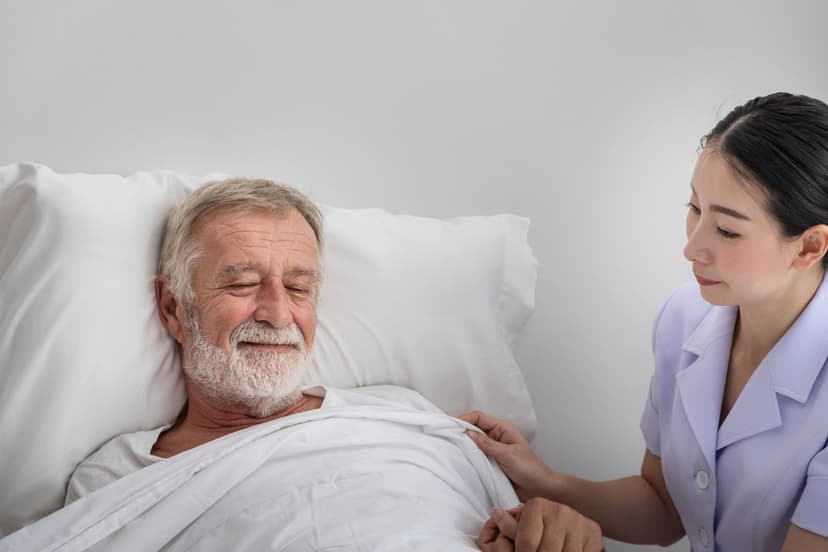
Nursing assistant caring for an elderly man with a blanket, illustrating hospice and palliative care for CHPNA certification exam preparation

Your Path to CHPNA Certification Starts Here!

Are you preparing to become a Certified Hospice and Palliative Nursing Assistant (CHPNA)? Our expertly crafted CHPNA Question Bank is designed to equip you with the practice, knowledge, and confidence needed to excel on the exam and advance your career in hospice and palliative care.

Extensive Question Bank to Study for CHPNA Exam

Our CHPNA Exam Question Bank features a robust Question Bank with over 750+ practice questions meticulously designed to reflect the format and content of the actual exam, following the CHPNA exam blueprint.

Developed and reviewed by CHPNA-certified faculty, this resource also includes 4 timed Simulation Exams to help you gauge your readiness and focus your study efforts.

Covering all key areas such as activities of daily living, patient status and environment, psychosocial/spiritual care of the patient and family/caregivers, and professional skills, this comprehensive tool ensures you are fully prepared to excel on the CHPNA exam.

Mobile Phone and Tablet Compatibility

Take your preparation with you wherever you go! Our CHPNA Exam Practice Question Bank features a user-friendly platform optimized for both Android and iOS devices. Access the comprehensive CHPNA Question Bank and Simulation Exams on your phone or tablet, allowing you to study anytime, anywhere. Make the most of your time and stay on track to achieve CHPNA certification success.

You receive:

  • Access to mobile responsive platform
  • On-demand access anytime anywhere
  • Each question reviewed and edited by CHPNA faculty
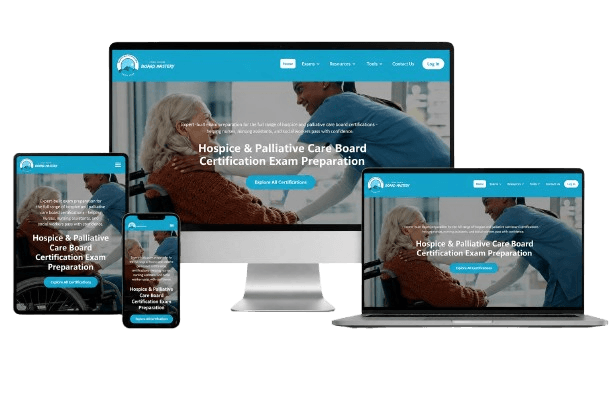
CHPNA hospice and palliative care certification exam prep displayed on laptop, tablet, and smartphone

Getting Started is Easy!

1

Purchase

Choose a plan and purchase access to get started.

2

Access Resources

Dive into our extensive CHPNA practice Question Bank and comprehensive CHPNA Simulation Exams.

Expert Team

Our Faculty

Andrew Wagner, MD – CHPNA hospice and palliative care exam preparation faculty member

Andrew Wagner

MD

Dr. Andrew Wagner, a distinguished graduate of UC Irvine Medical School, has been a Board Certified Family Physician since 1985. With a notable career in medical education and patient care, he has held esteemed positions such as Chief of Education and served on the Ethics Committee. He is recognized as a pioneer in AIDS/HIV patient care in California. In 2012, he became Board Certified in Hospice and Palliative Medicine, marking a significant shift towards end-of-life care. As a faculty member for the Healer’s Art Course at UCSF, Dr. Wagner focuses on end-of-life and palliative care, sharing his extensive knowledge with medical students. For the past 15 years, he has been a physician facilitator for Schwartz Rounds, promoting discussions about the emotional challenges of patient care. Currently, he provides inpatient palliative care consults at Sutter Health and continues to teach residents. His work is complemented by his training in guided imagery and integrative medicine. In his spare time, Dr. Wagner, a black belt in Aikido, has trained in martial arts for thirty years.

Success Stories

Video Testimonials

Hear from learners who prepared for the CHPNA exam with our question bank.

It made preparing for my CHPNA exam much easier. The large question bank and smart study features helped me focus on the areas I needed most, while the flashcards reinforced my understanding. More than just helping me pass my exam, it expanded my knowledge and improved the care and support I provide to patients and their families every day.

Julie Lessin

Julie Lessin

Start Your CHPNA Journey Today!

Transform the CHPNA exam from a challenge into a milestone in your professional journey. Join our CHPNA Exam Prep community and access the tools, guidance, and support you need to succeed. Empower your career with confidence-your success is our mission!

100% money-back guarantee badge for CHPNA hospice and palliative care exam preparation

7-Day Trial with 100% Money Back

We are committed to your success. That’s why we offer a 7-day free trial so you can explore the CHPNA Hospice and Palliative Board Review Course with confidence.

Our Promise to You:

  • Everything Needed to Pass: Our course provides comprehensive coverage of the CHPNA board exam content, designed and curated by expert faculty to align with the exam blueprint.
  • Course Guarantee: If you don’t pass on your first try, we’ll extend your access at no extra cost for the same number of days as the plan you purchased.
  • First-Time Success: We are confident that our course equips you with the knowledge and skills necessary to pass the boards on your first attempt.